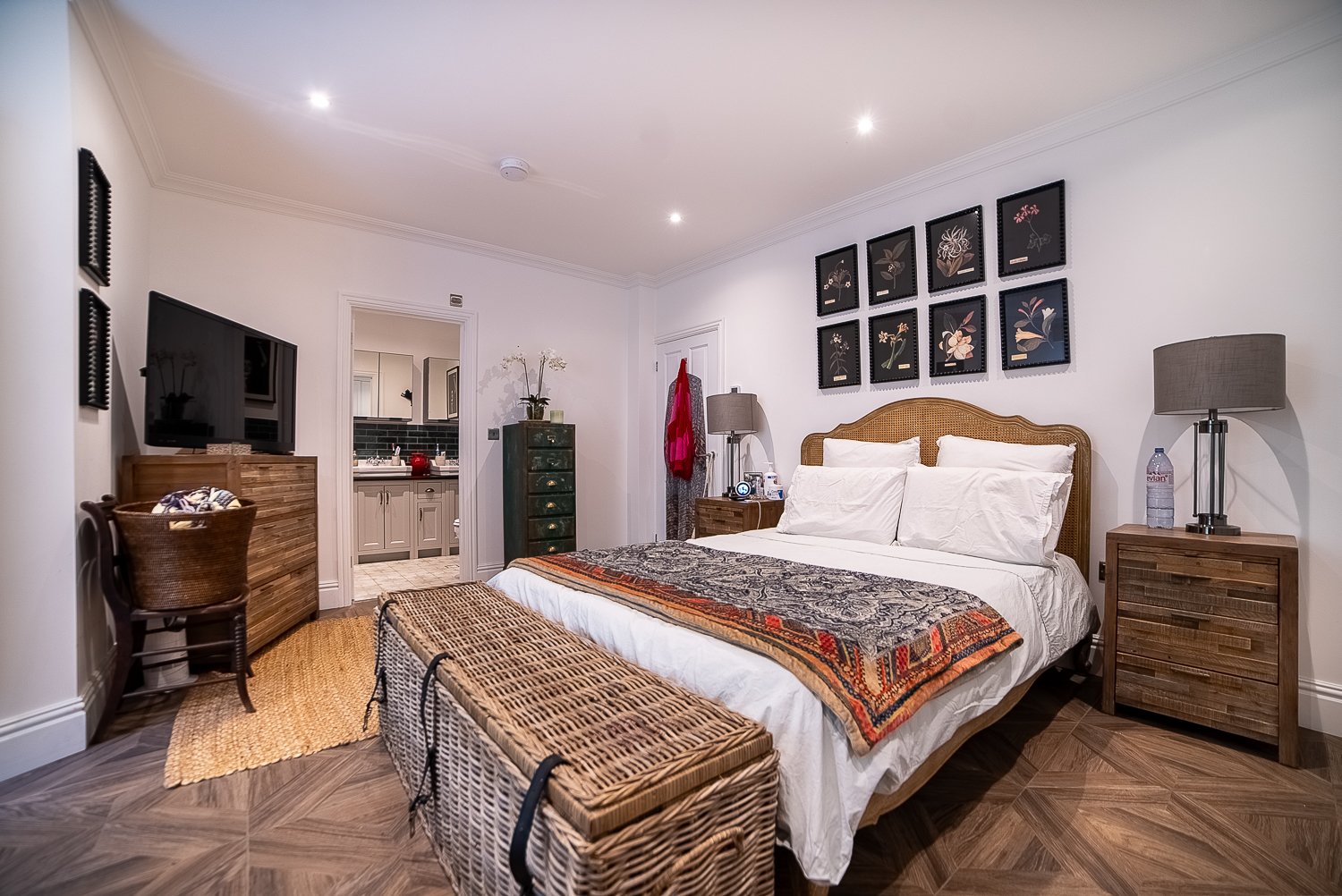
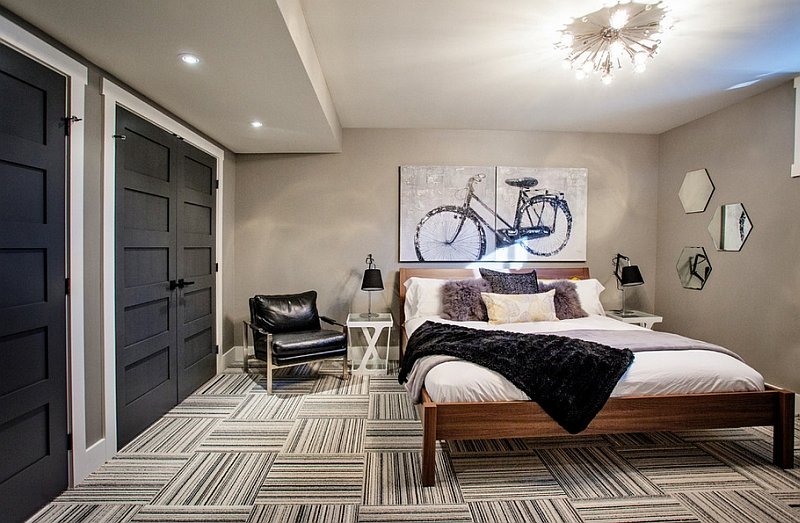
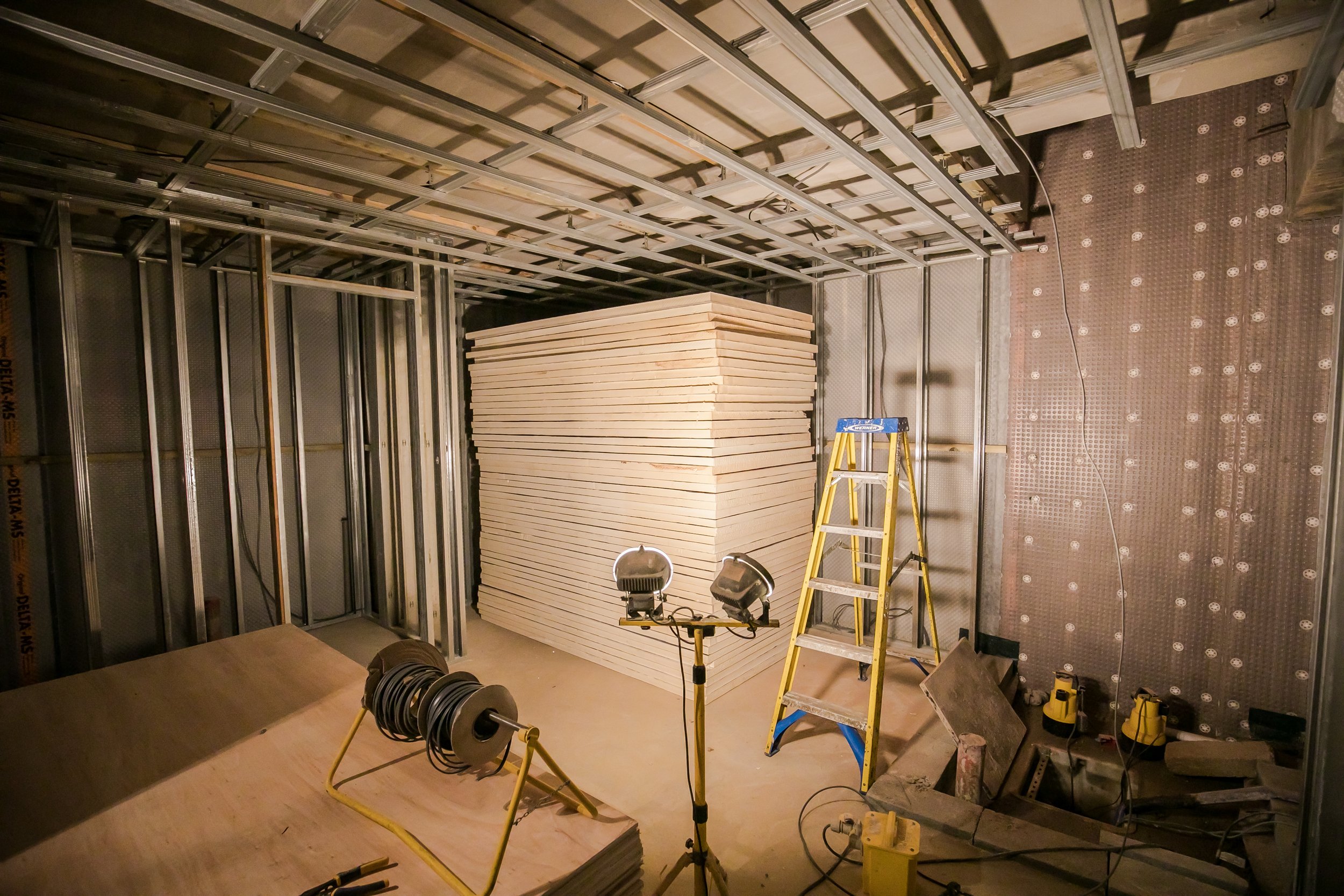
The cost of basement construction depends on several factors, including the size of the basement, the ground conditions, the intended use of the space, and the waterproofing system required. Every project is unique, so we recommend arranging a professional survey, where one of our experienced surveyors can assess your property and provide a detailed, no-obligation quotation tailored to your requirements.
Request a call
Basement Waterproofing Camden
Basement Waterproofing Specialists in Camden
If your basement in Camden is suffering from damp, leaks, or persistent water ingress, it’s essential to address the root cause before it leads to structural deterioration or mould contamination.
We provide professional basement waterproofing in Camden, designing and installing engineered systems for NW1 and surrounding areas including Kentish Town, Hampstead Road, Primrose Hill, and Camden Town.
Camden properties are frequently affected by high groundwater pressure, ageing masonry, and historic construction methods that were never designed for below-ground habitation.
For this reason, modern waterproofing systems focus on controlled water management rather than attempting to block water entirely, ensuring long-term reliability under hydrostatic pressure.
👉 Book your free Camden basement survey
Recent Camden Basement Waterproofing Case Study
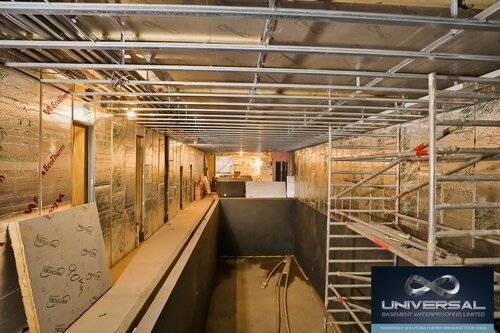
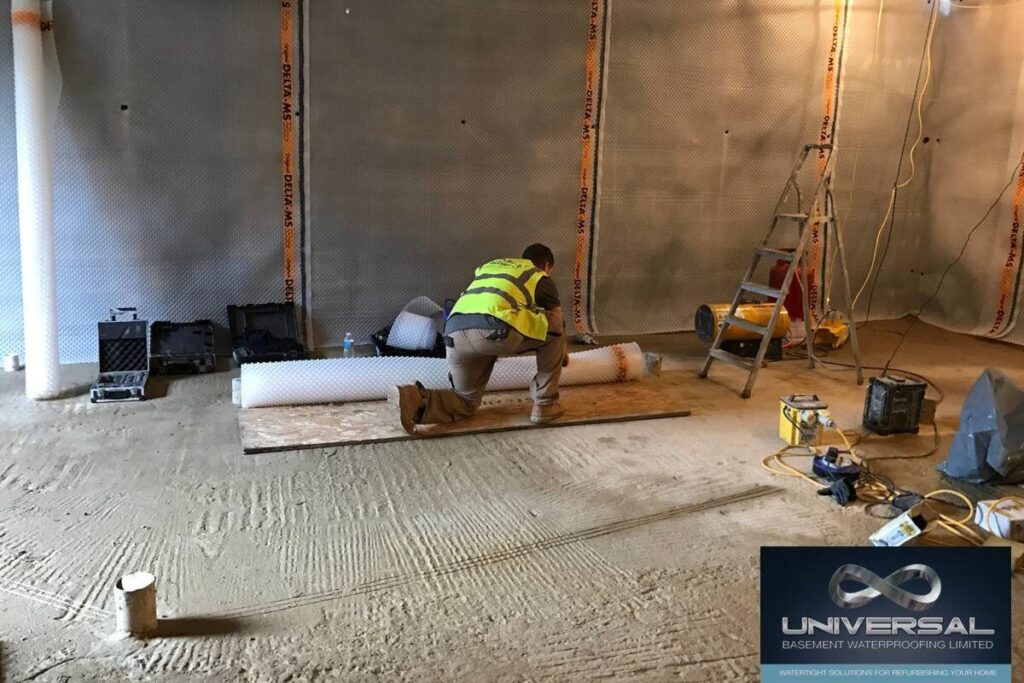
We recently completed a full structural waterproofing project for a Victorian Camden property suffering from repeated flooding, failed historic tanking systems, and long-term groundwater ingress.
- Type C cavity drain membrane system
- Dual sump pump redundancy
- BS8102 Grade 3 habitable compliance
- Permanent flood prevention and groundwater control
👉 View our Camden basement waterproofing case study
Why Camden Basements Commonly Fail
Basement water issues in Camden are typically caused by a combination of environmental and structural factors.
- High groundwater levels across North London clay zones
- Victorian and Edwardian masonry construction
- Old lime mortar and porous brickwork
- Inadequate or failed historic tanking systems
These conditions lead to damp, water ingress, mould growth, and progressive structural weakening if not correctly managed.
Basement Waterproofing Approach in Camden
Every Camden basement requires a tailored waterproofing strategy based on structure, soil conditions, and intended use.
- Hydrostatic pressure and seasonal groundwater movement
- Wall permeability and structural condition
- Existing drainage failures
- Intended use (storage or habitable conversion)
In most cases, Type C cavity drain membrane systems are specified as they safely manage water rather than resisting it.
Waterproofing Systems We Install
Type A – Cementitious Tanking
- Rigid internal barrier coating
- Suitable for low-risk moisture conditions
- Requires stable structural environment
Type C – Cavity Drain Membrane (Recommended)
- Installed internally on walls and floors
- Channels water into drainage systems
- Sump pump removal with backup systems
- Designed for high groundwater environments
This is the most reliable long-term solution for Camden basements under constant groundwater pressure.
Camden Basement Waterproofing Cost
Costs depend on structural condition and system requirements:
- Basement size and layout complexity
- Severity of water ingress
- Drainage and pump specification
Typical range: £80 – £150 per m²
A full survey is required before fixed pricing is provided.
Our Camden Waterproofing Process
- Full basement inspection and moisture assessment
- Structural and groundwater analysis
- System design to BS8102 standards
- Installation of membrane and drainage systems
- Sump pump commissioning and testing
- Optional refurbishment works
Why Camden Properties Need Professional Waterproofing
Without correct waterproofing design, Camden basements are highly vulnerable to ongoing water ingress due to soil conditions and building age.
- Prevents long-term structural damage
- Stops recurring damp and mould issues
- Enables habitable basement conversion
- Increases usable property value
Why Choose Us for Basement Waterproofing in Camden
- Specialist structural waterproofing engineers
- Full BS8102 design compliance
- Experience with Victorian London properties
- Complete design + installation + refurbishment service
- Long-term guaranteed systems
Book Your Free Camden Basement Survey
If your basement is showing signs of damp or water ingress, early intervention prevents structural deterioration.
Book Your Basement Survey Now
One of our waterproofing specialists will inspect your basement, discuss the most suitable waterproofing system and provide expert recommendations with no obligation.
Case Studies
Ready to Transform Your Basement?
Whether you’re planning a new basement or need to stop persistent damp and water ingress, our experienced surveyors can recommend the right waterproofing solution.
✔ Professional Survey
✔ Fully Guaranteed Work
✔ 50+ Years Experience
Frequently Asked Questions
In many cases, basement waterproofing alone does not require planning permission. However, basement construction, excavation, or significant structural alterations may require planning approval and Building Regulations compliance, particularly in certain London boroughs or conservation areas. We can advise you during your survey and help you understand any permissions your project may require.
The duration of a basement waterproofing project depends on the size and complexity of the work. Smaller waterproofing installations can often be completed within a few days, while larger basement construction or full structural waterproofing projects may take several weeks. Following your survey, we’ll provide a clear project schedule so you know exactly what to expect.
There is no single waterproofing system that is suitable for every property. The most effective solution depends on factors such as the construction of the building, ground conditions, water ingress risk, and how you intend to use the basement. Our experienced surveyors will assess your property and recommend the most appropriate BS8102-compliant waterproofing system, whether that’s a Type A (barrier protection), Type C (cavity drain membrane), or a combined system for maximum protection. We only install proven products from leading manufacturers, including Delta, KÖSTER, and Sika.
Yes. We install high-quality waterproofing systems from leading manufacturers such as Delta, KÖSTER, and Sika, following BS8102 standards for below-ground waterproofing. Our waterproofing systems are fully guaranteed, giving you confidence that your basement will remain dry and protected for years to come. We’ll explain the guarantees available during your survey.
We provide basement construction and structural waterproofing services throughout London, Kent, Surrey, Essex, Sussex, and the surrounding areas. If you’re unsure whether we cover your location, simply get in touch and our team will be happy to help.
Yes. We regularly waterproof existing basements, cellars, and vaults, whether they’re affected by damp, water ingress, or you’re planning to convert the space into a dry, usable room. Every property is different, so we carry out a professional survey to identify the cause of the problem before recommending the most suitable waterproofing solution. Our systems are designed to provide long-term protection while complying with BS8102 standards for below-ground structures.
With over 50 years of experience, Universal Basement Waterproofing has designed and installed waterproofing systems for properties across London and the South East. Our experienced surveyors design BS8102-compliant waterproofing solutions using trusted systems from Delta, KÖSTER, and Sika. From initial survey through to installation, we focus on delivering long-lasting, fully guaranteed waterproofing solutions tailored to every property.
We aim to arrange surveys as quickly as possible, subject to availability. During your survey, one of our experienced waterproofing specialists will assess your basement, discuss your requirements, identify any issues with damp or water ingress, and recommend the most suitable waterproofing solution. You’ll then receive a detailed, no-obligation quotation for the work required.