Chelsea Basement Waterproofing Project
Chelsea Basement Waterproofing Project – Grade II Listed Basement Conversion
Chelsea Basement Waterproofing Project – Luxury Victorian Basement Waterproofing & Structural Protection
Project Type: High-value Victorian residential basement waterproofing and full structural moisture protection upgrade
Location: Chelsea, London (SW3)
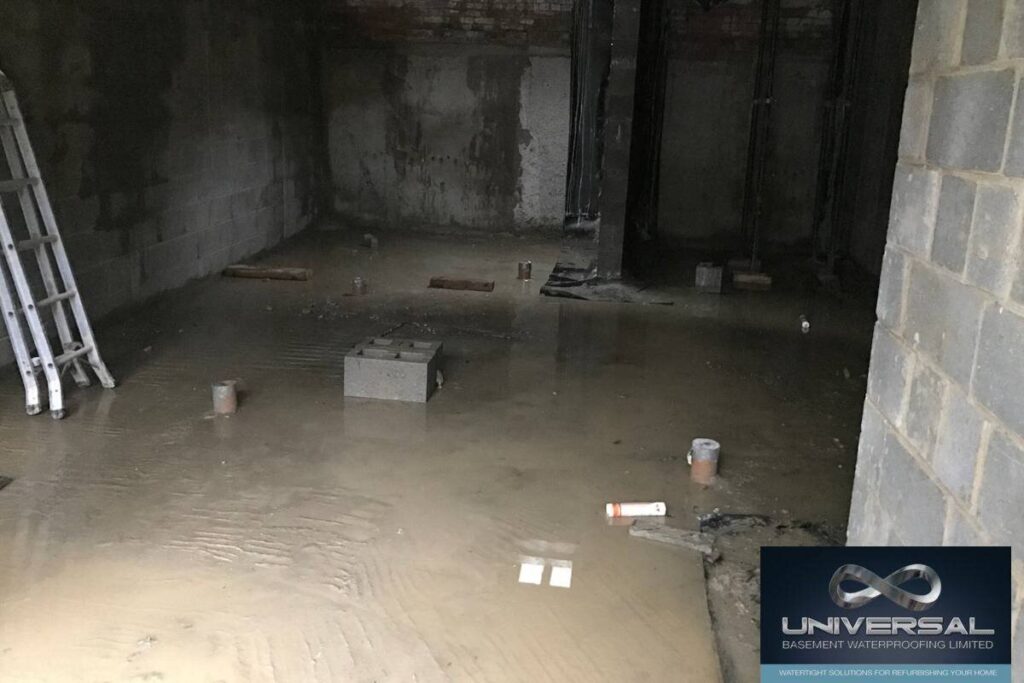
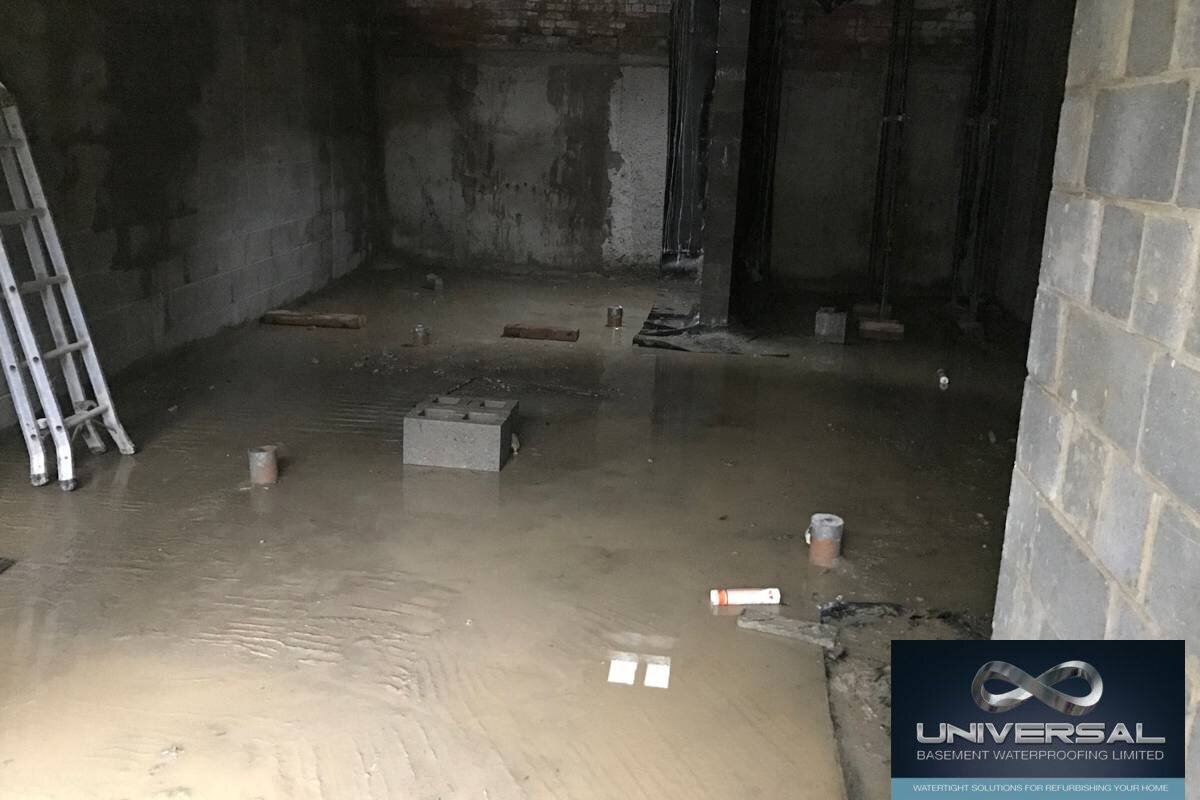
Project Overview: A luxury Victorian property in Chelsea required specialist basement waterproofing after persistent groundwater ingress, failed historic tanking systems, and moisture saturation threatened the long-term integrity and usability of the lower-ground residential space.
Located within Chelsea’s high-value residential environment near Belgravia, Kensington, and Fulham, this project required a highly engineered waterproofing design tailored to riverside groundwater influence, London clay conditions, and historic structural sensitivity.
👉 Book a free Chelsea basement waterproofing survey
The Waterproofing Challenge
The basement suffered from multiple structural and environmental failures commonly associated with Chelsea properties:
- Persistent groundwater ingress through retaining walls
- Failed historic waterproof render systems
- High groundwater pressure influenced by Thames proximity
- Victorian masonry permeability
- Structural moisture saturation
- Requirement for Grade 3 habitable residential compliance
Traditional tanking methods were considered unsuitable due to the long-term hydrostatic pressure conditions and structural sensitivity of the property.
Survey & Technical Diagnosis
A full structural waterproofing survey identified:
- Hydrostatic groundwater pressure
- Water ingress through wall/floor junctions
- Insufficient historic drainage design
- Previous system failures
- Need for maintainable BS8102-compliant waterproofing strategy
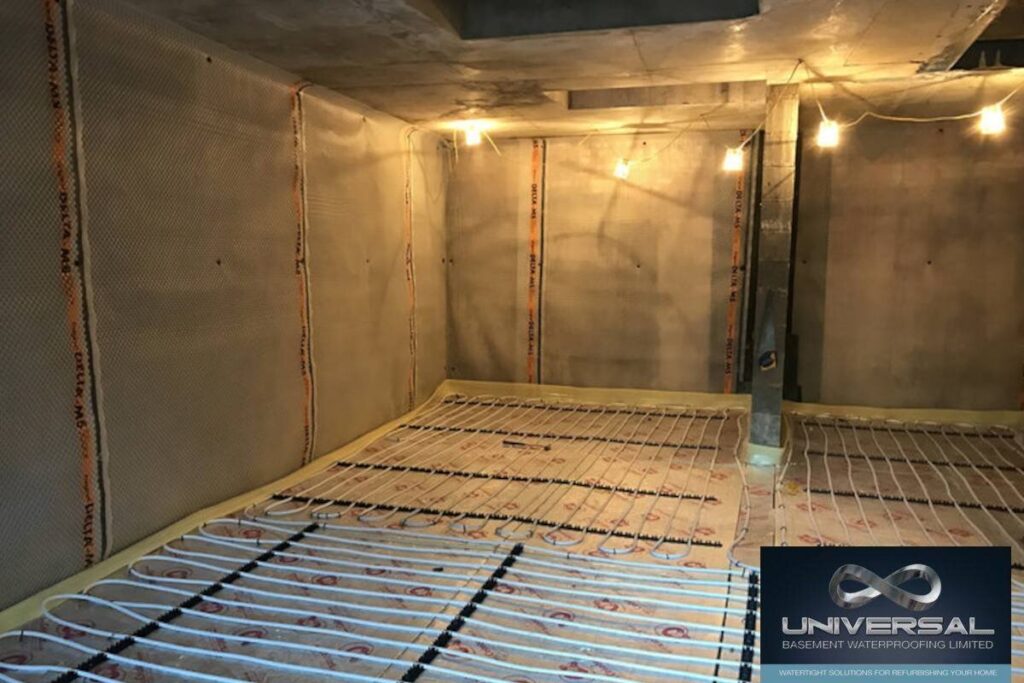
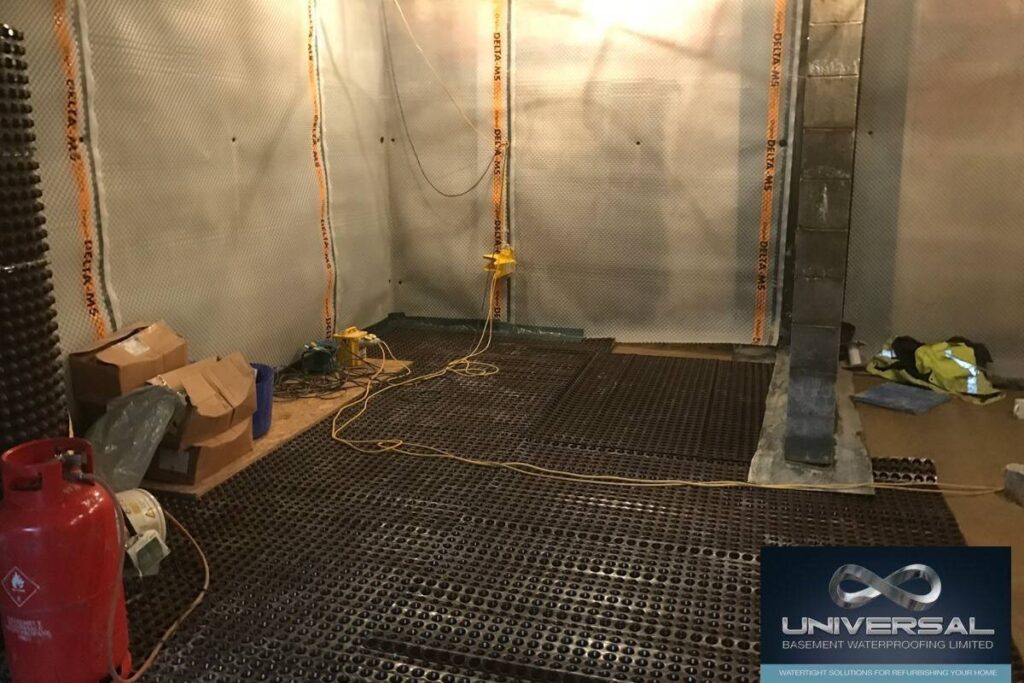
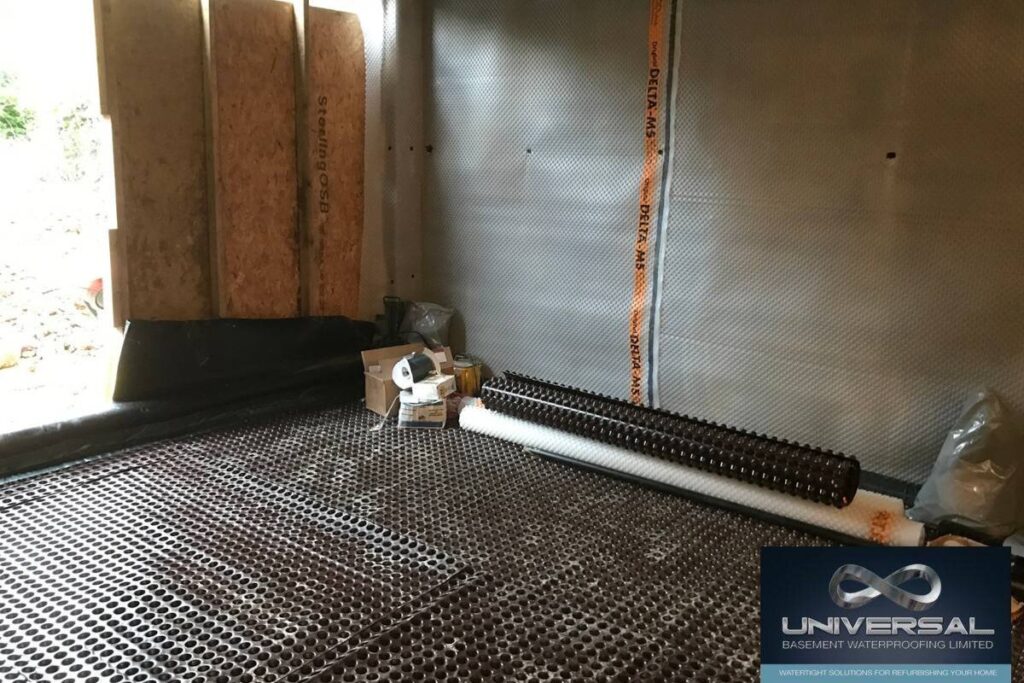
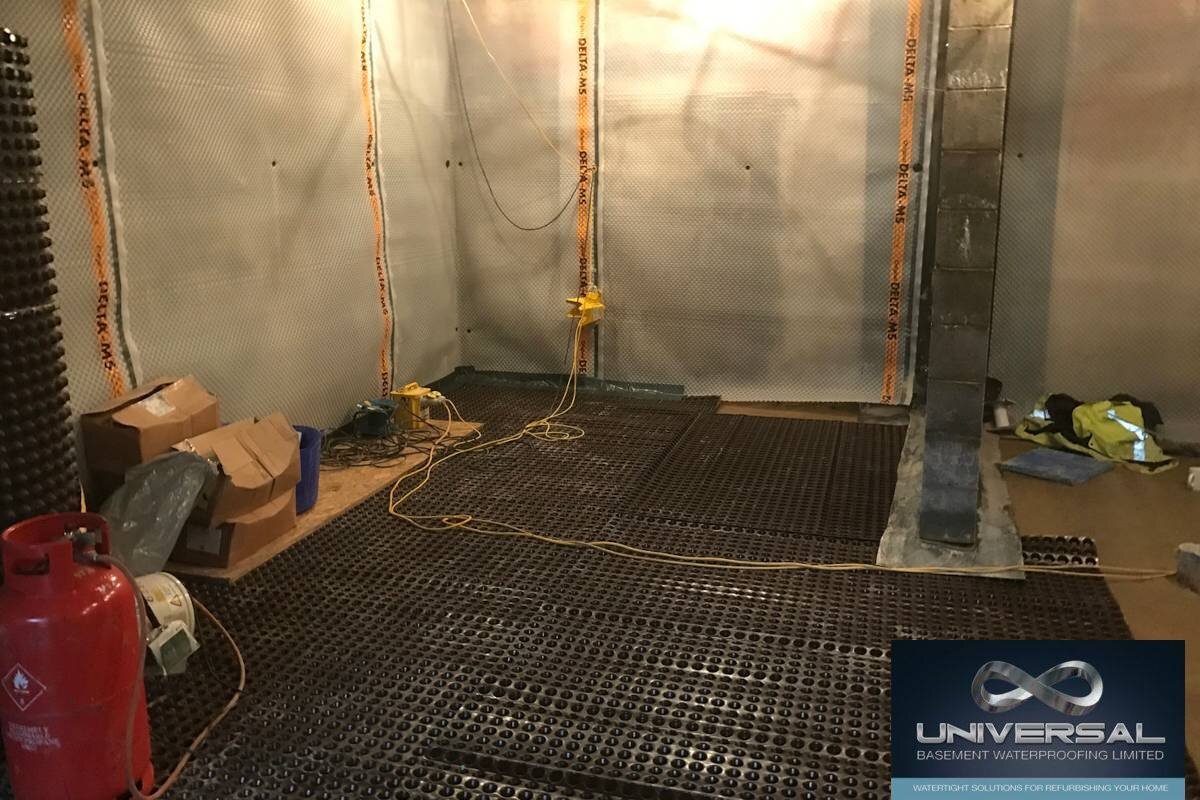
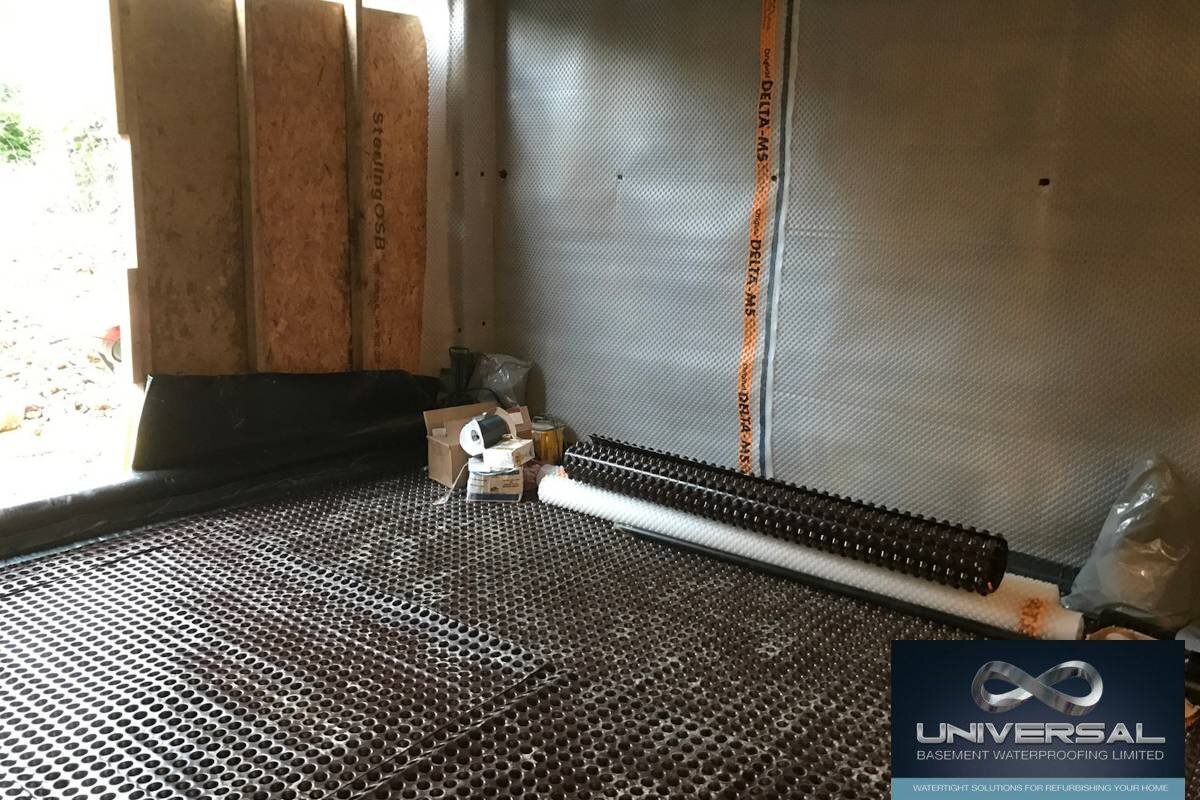
Following technical analysis, a Type C cavity drain membrane system was selected as the most reliable long-term waterproofing solution due to its ability to safely manage groundwater without compromising the building structure.
Waterproofing Design Solution
The installed waterproofing system included:
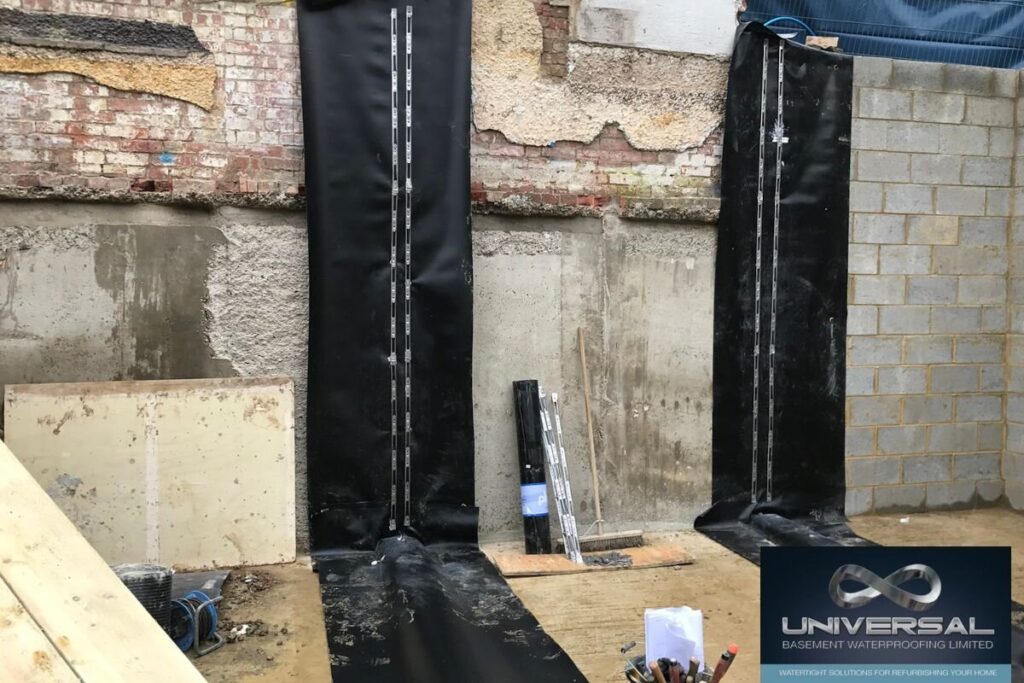
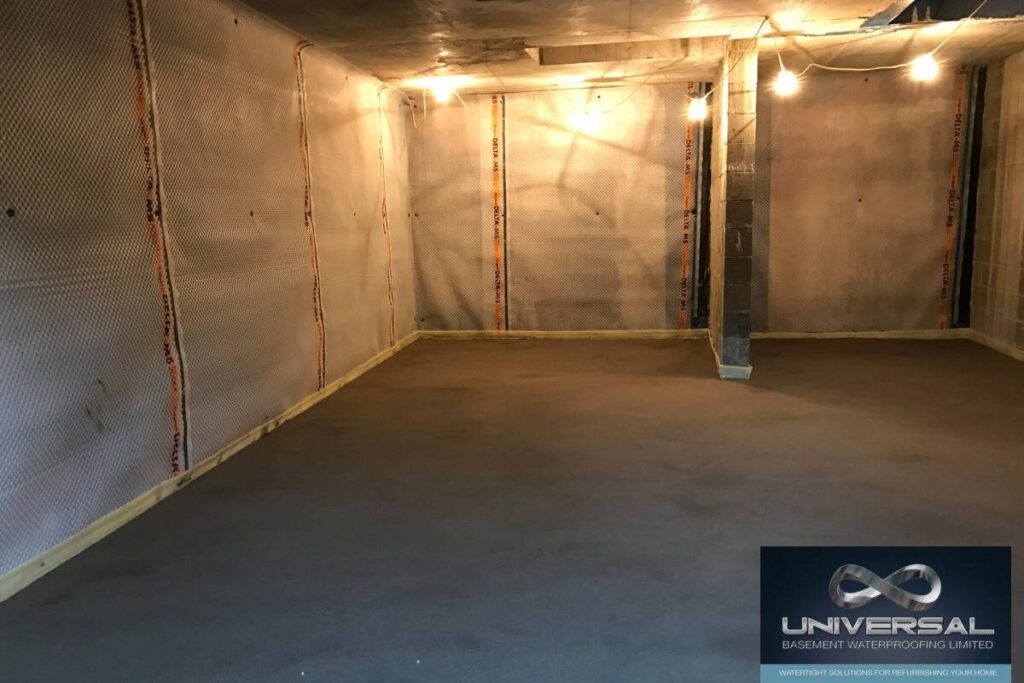
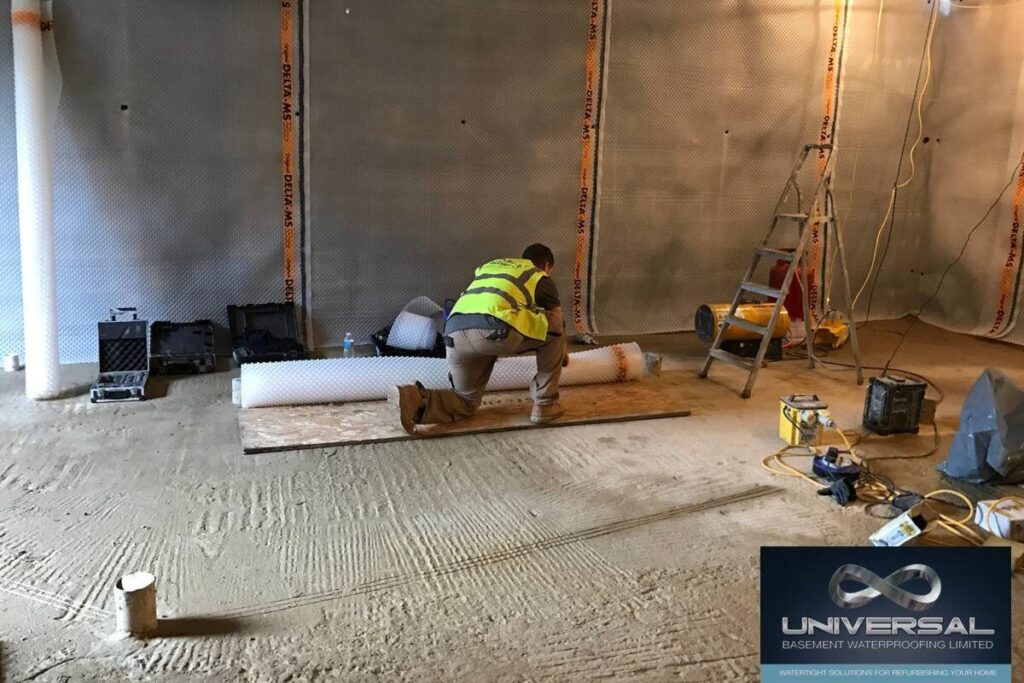
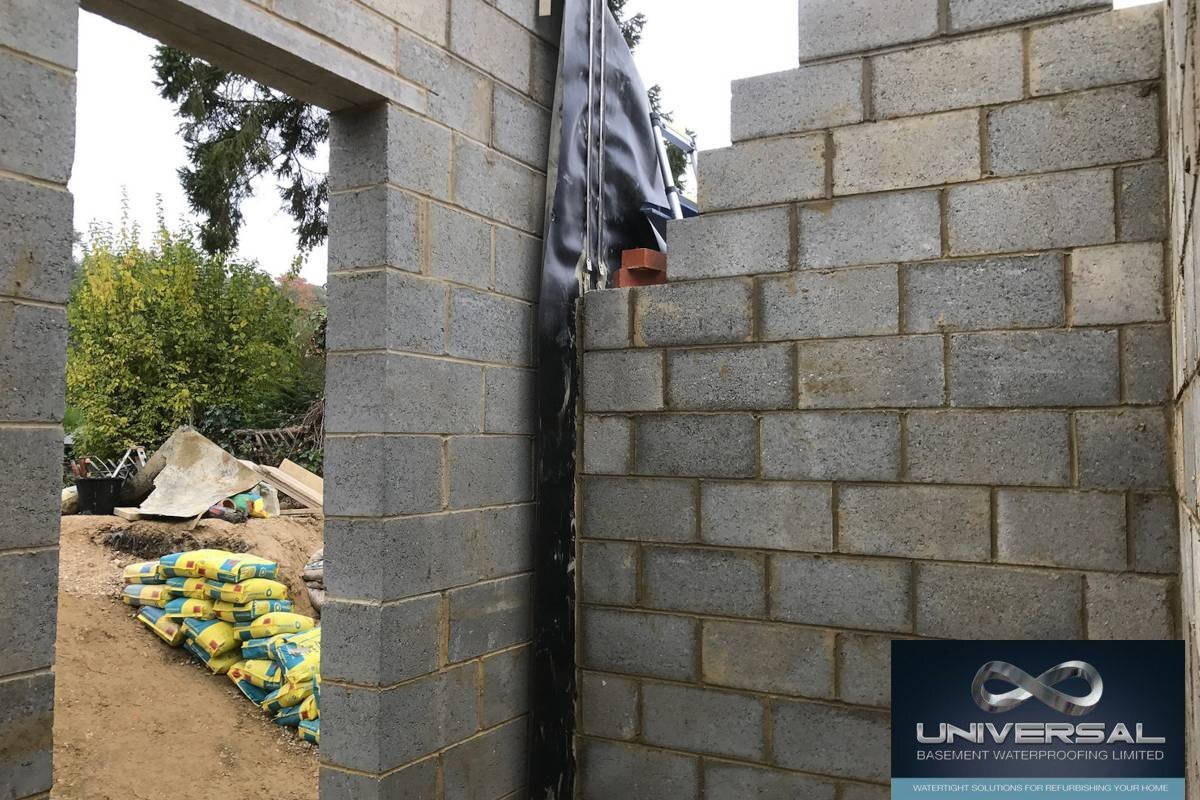
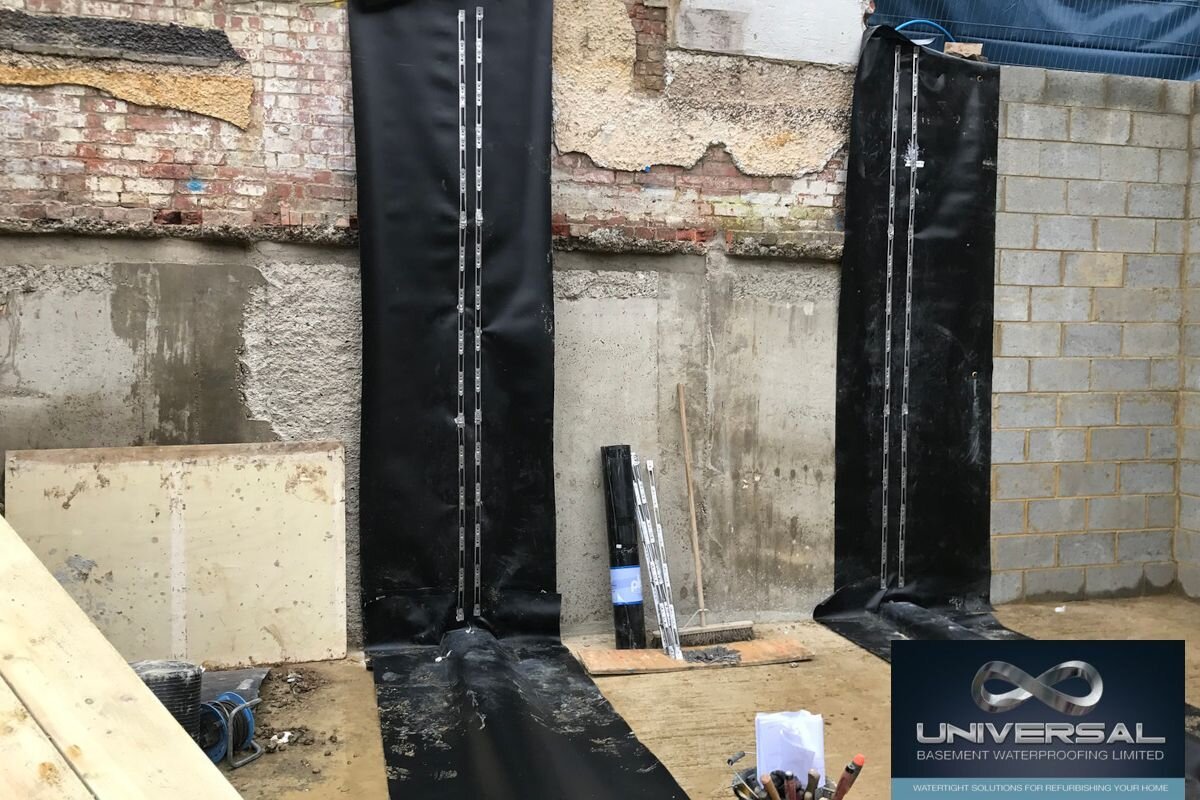
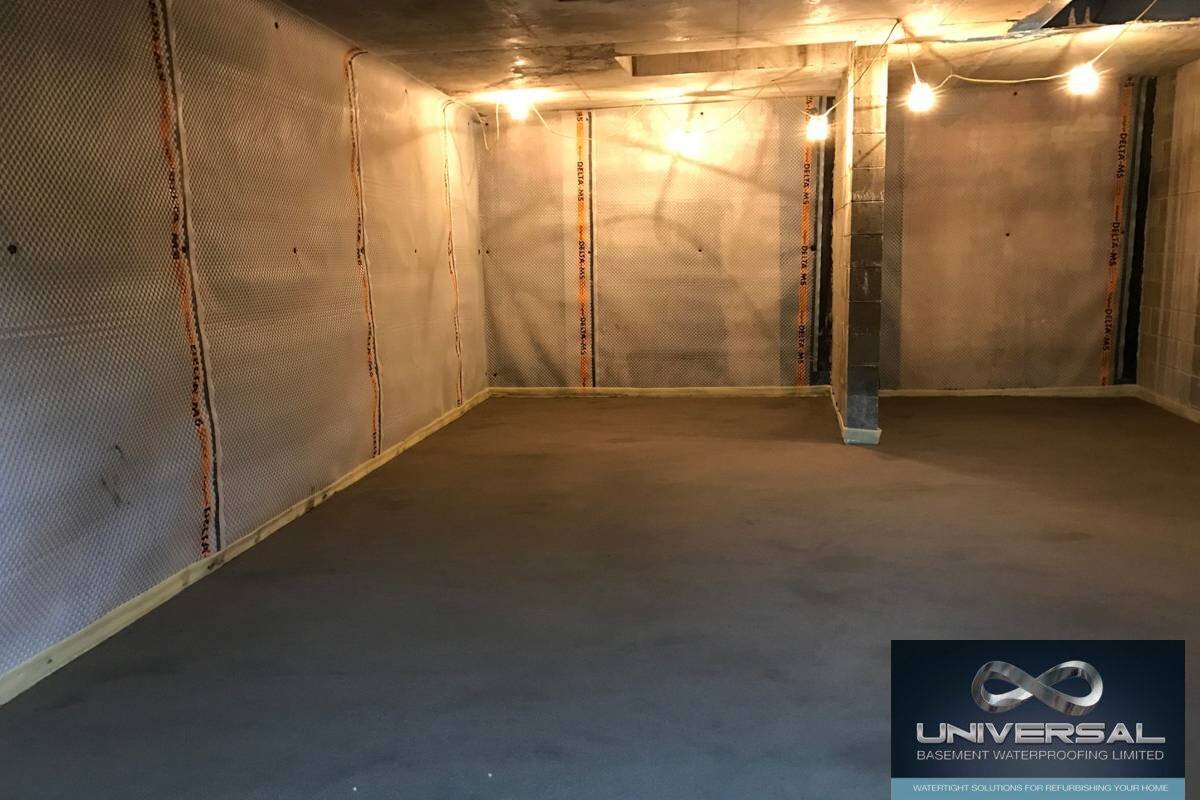
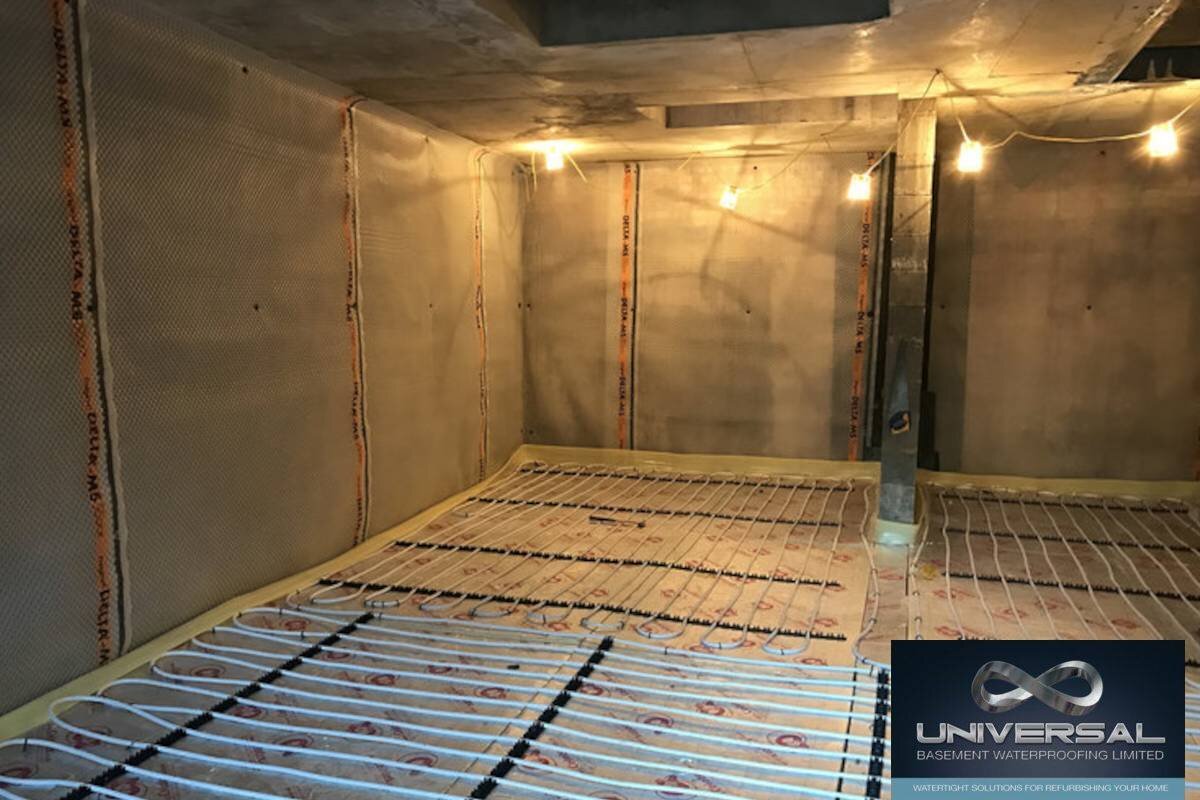
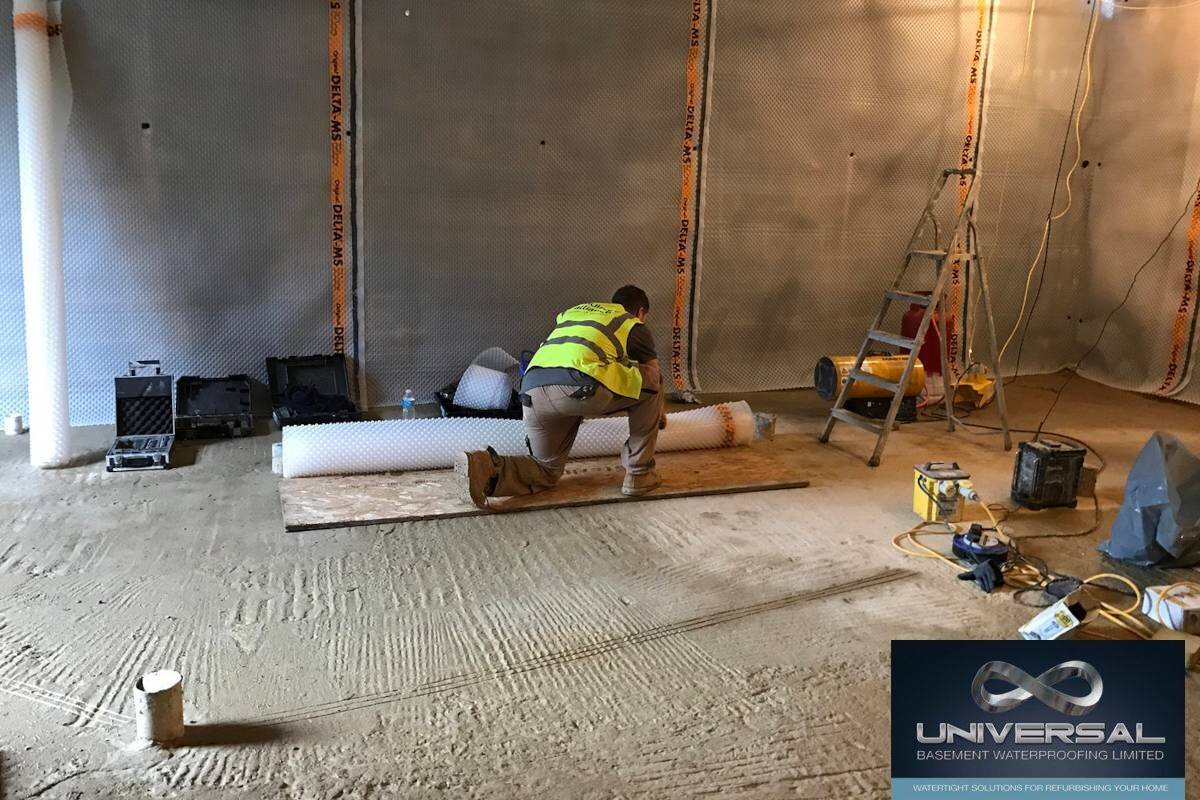
- Full cavity drain membrane system to walls and floors
- Perimeter drainage channel integration
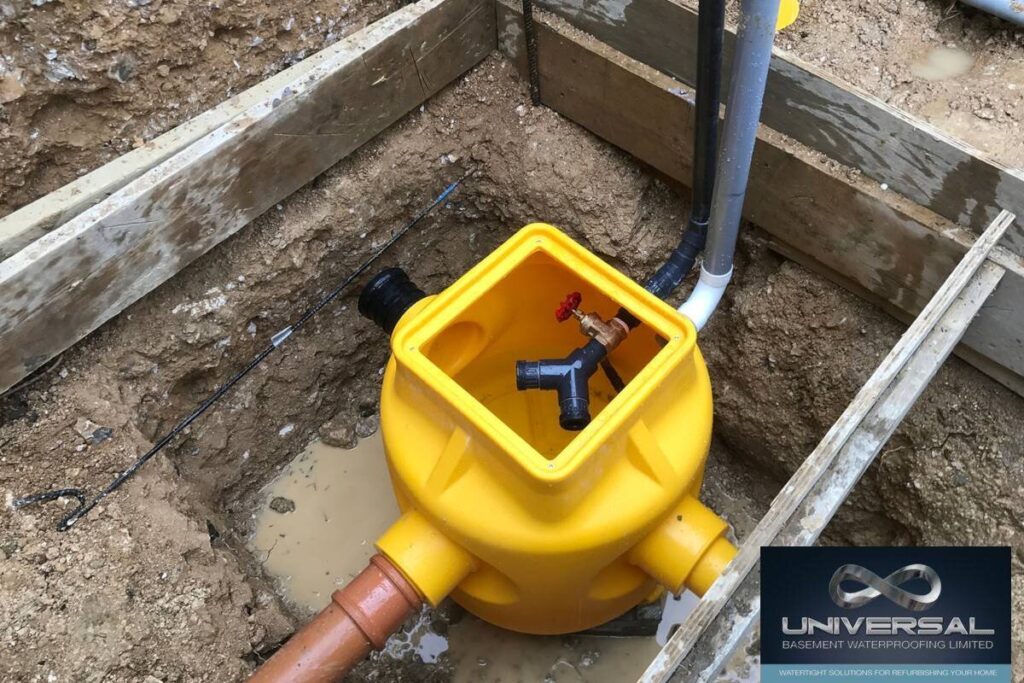
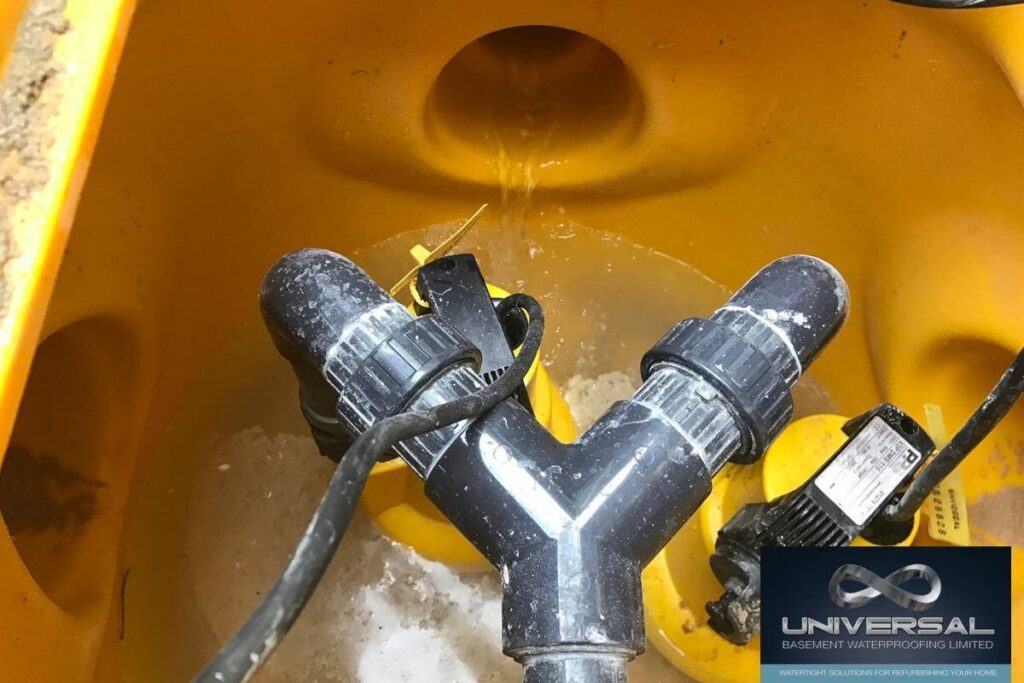
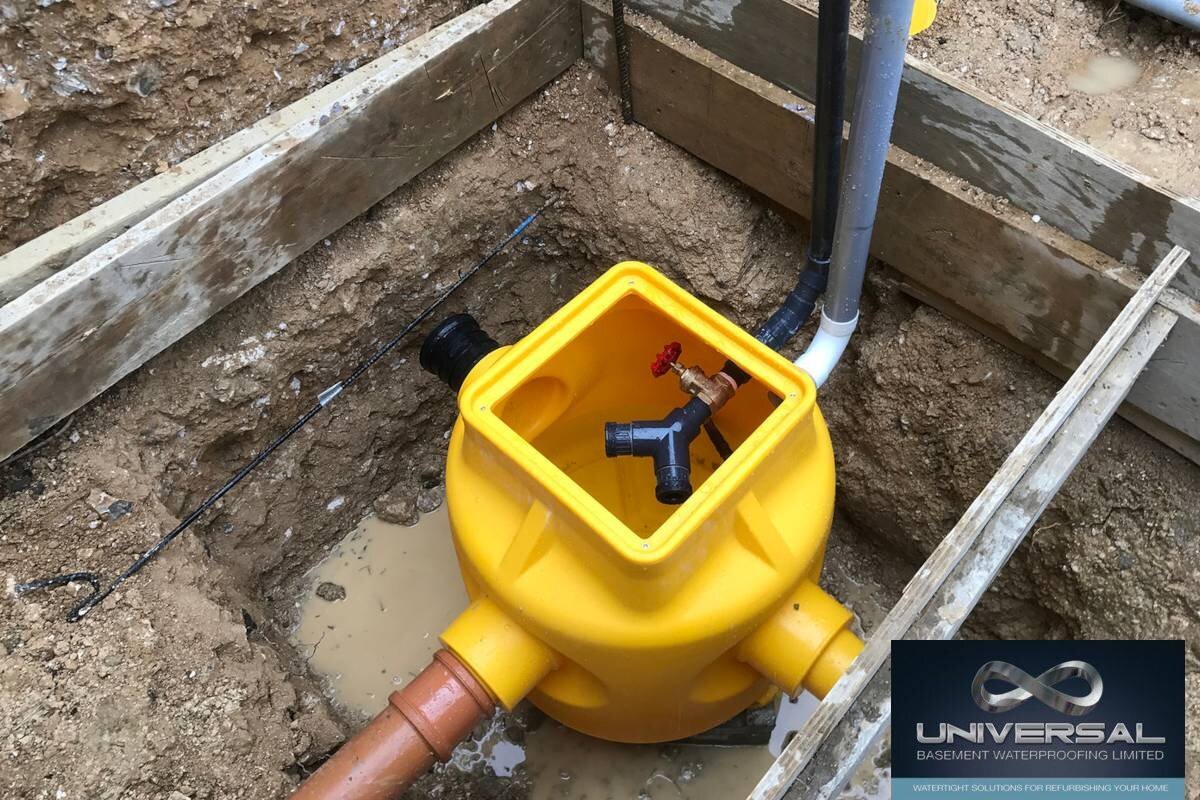
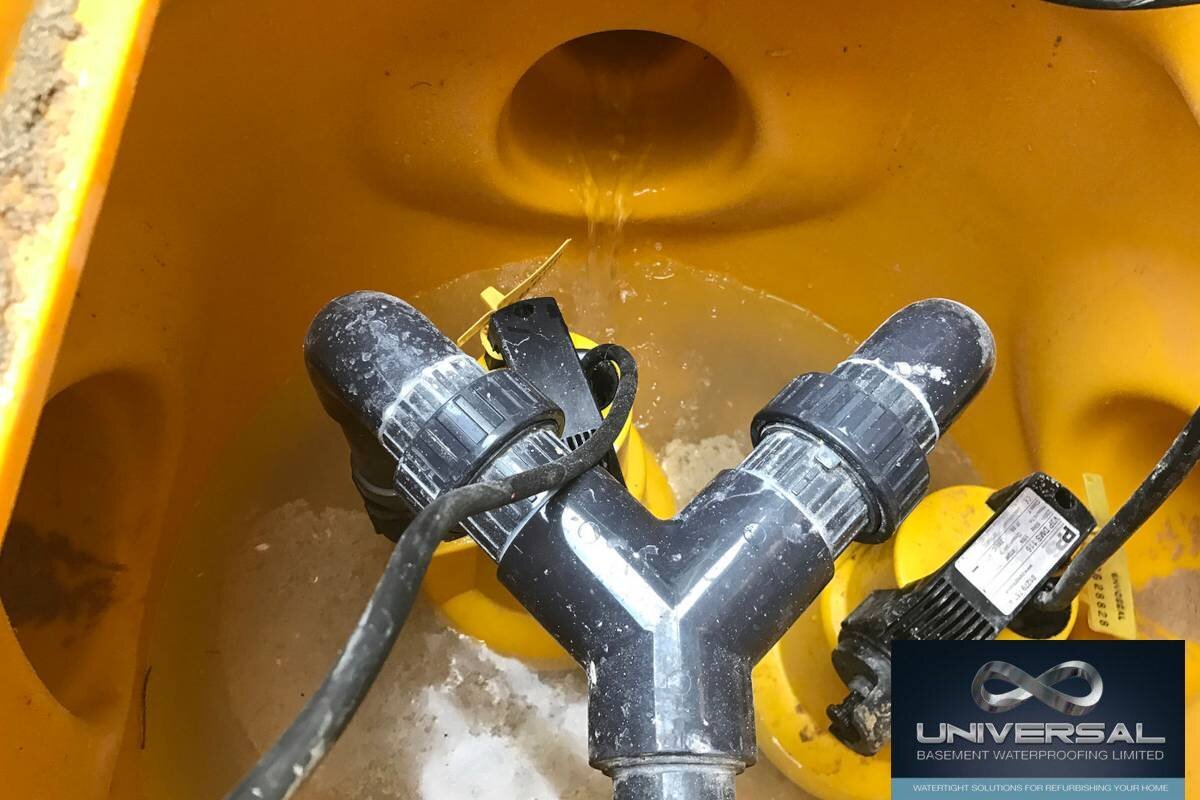
- Dual sump pump chamber with redundancy
- Battery backup systems
- Environmental moisture control systems
This design safely depressurised groundwater pressure and protected the property through engineered water management rather than direct resistance.
Installation Process
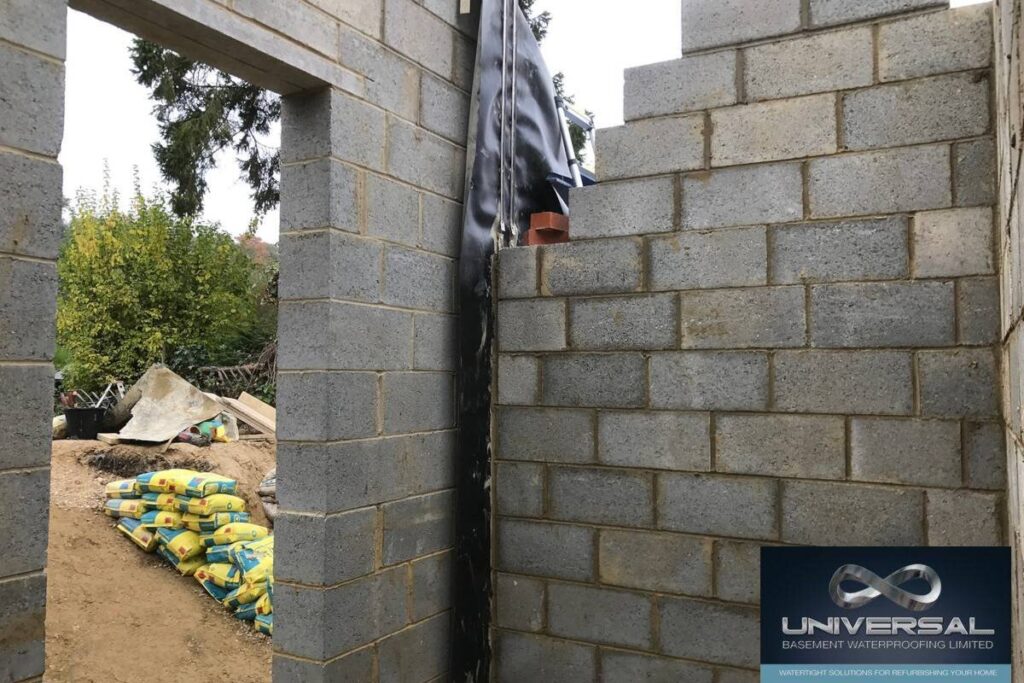
- Removal of failed historic waterproofing systems
- Structural strip-back to substrate
- Preparation of masonry surfaces
- Cavity drain membrane installation
- Drainage and sump pump commissioning
- Full reinstatement and refurbishment integration
All works were delivered in full compliance with BS8102 waterproofing standards for below-ground structures.
Final Result
- Dry, fully habitable Grade 3 basement environment
- Long-term structural waterproofing protection
- Permanent groundwater management strategy
- Protection of high-value property fabric
- Significant increase in usable luxury living space
The completed project transformed a moisture-compromised lower-ground basement into a fully protected premium residential space.
Why Chelsea Basements Require Specialist Waterproofing
Chelsea basements frequently require advanced waterproofing design due to:
- Victorian and Edwardian property construction
- High groundwater influence from Thames proximity
- London clay moisture retention
- High-value conservation-sensitive properties
- Historic waterproofing failures
These conditions often require engineering-led cavity drain systems rather than conventional damp-proofing approaches.
Related Basement Waterproofing Services in West London
- Basement Waterproofing Chelsea
- Basement Waterproofing Kensington
- Basement Waterproofing Fulham
- Basement Waterproofing Westminster
- Basement Waterproofing London
Book a Free Chelsea Basement Survey
If your Chelsea basement is suffering from damp, groundwater ingress, or failed waterproofing systems, our technical team can design a fully engineered long-term structural solution.